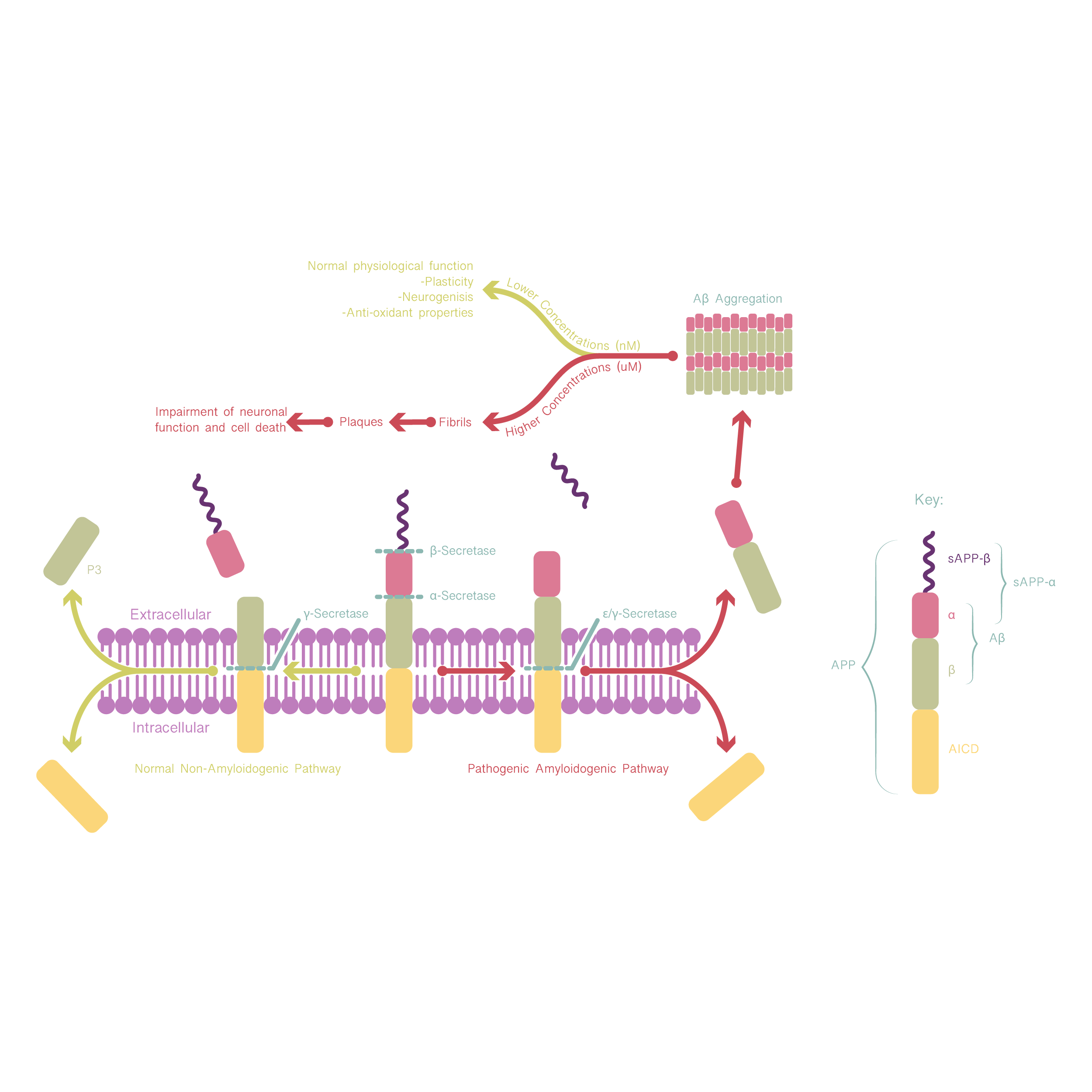
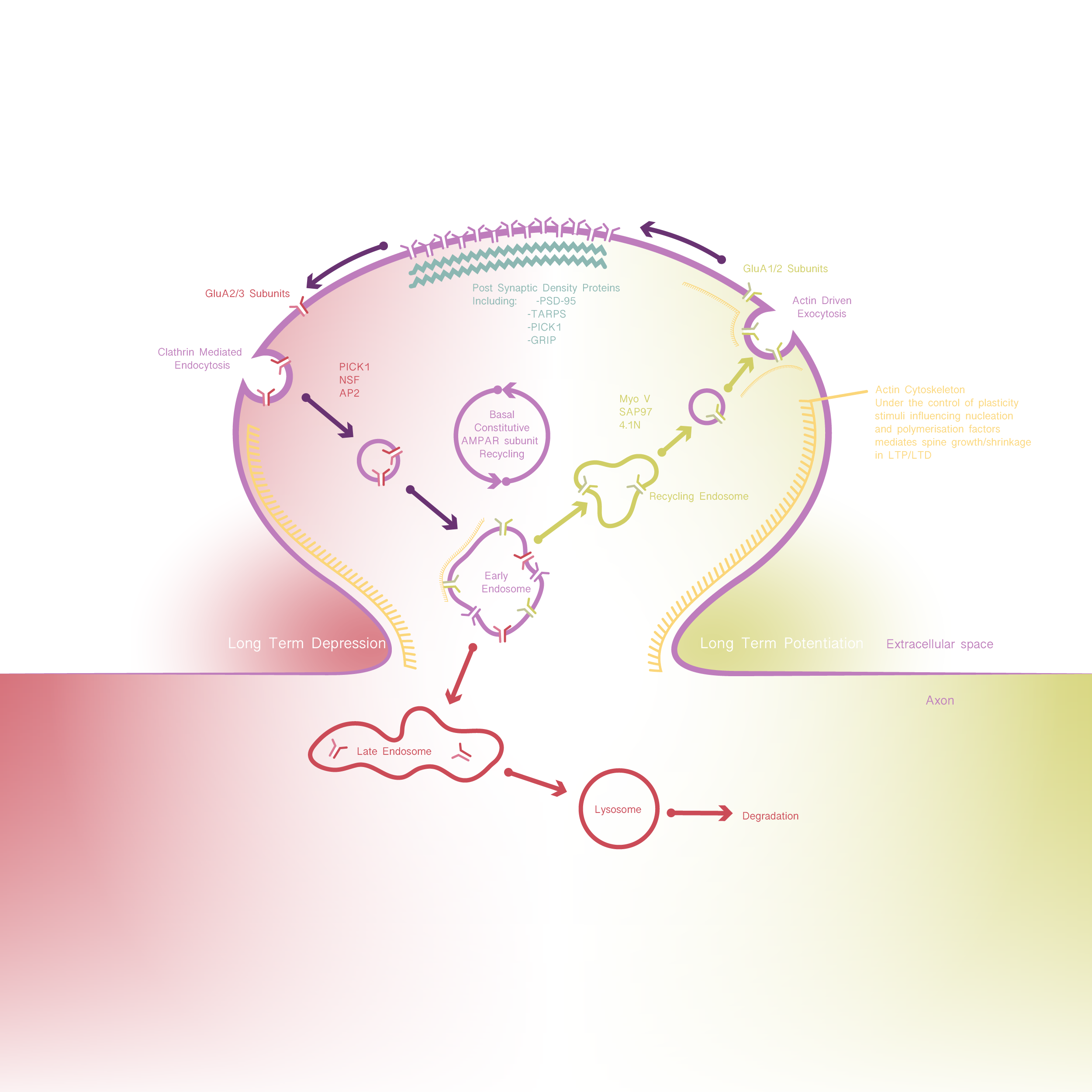
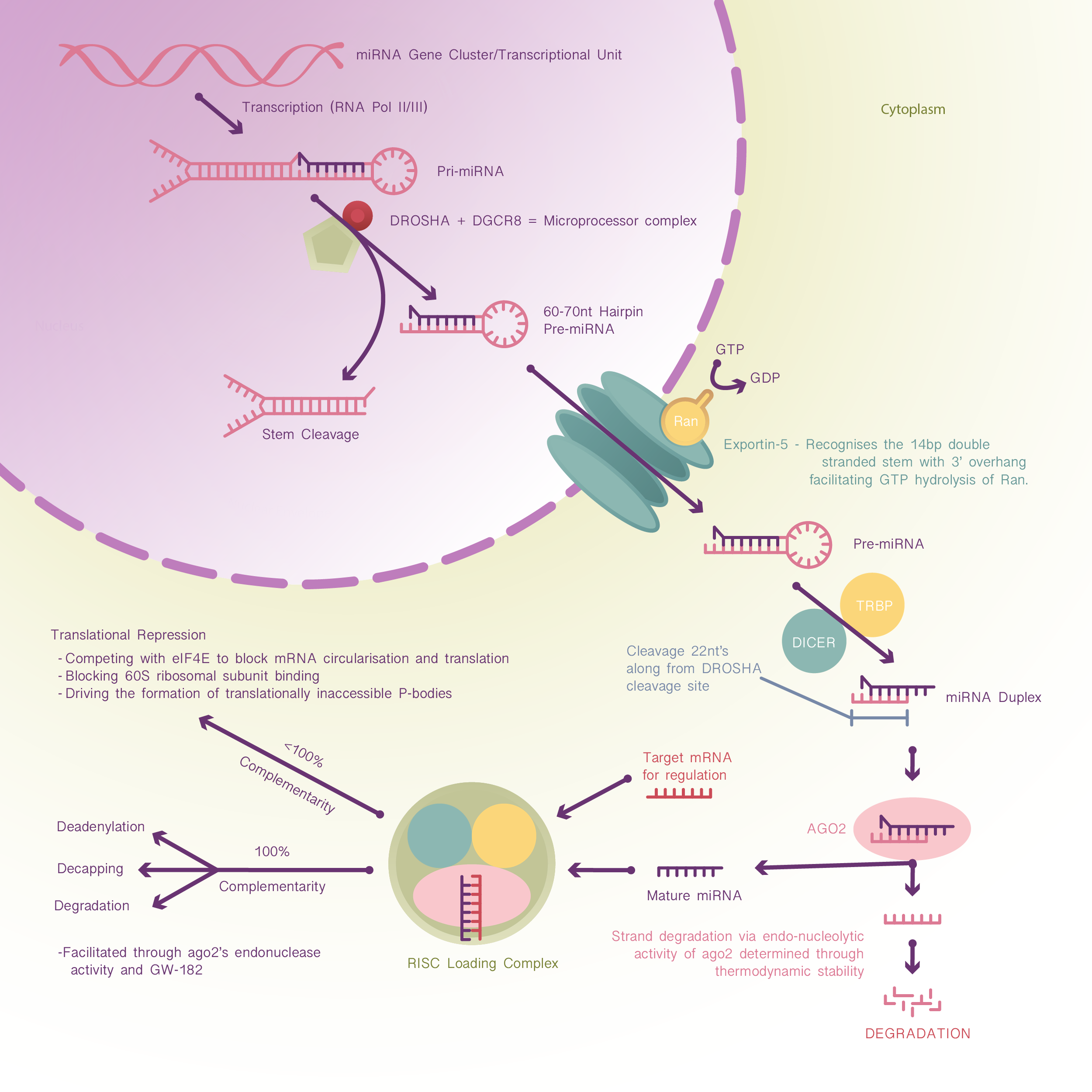
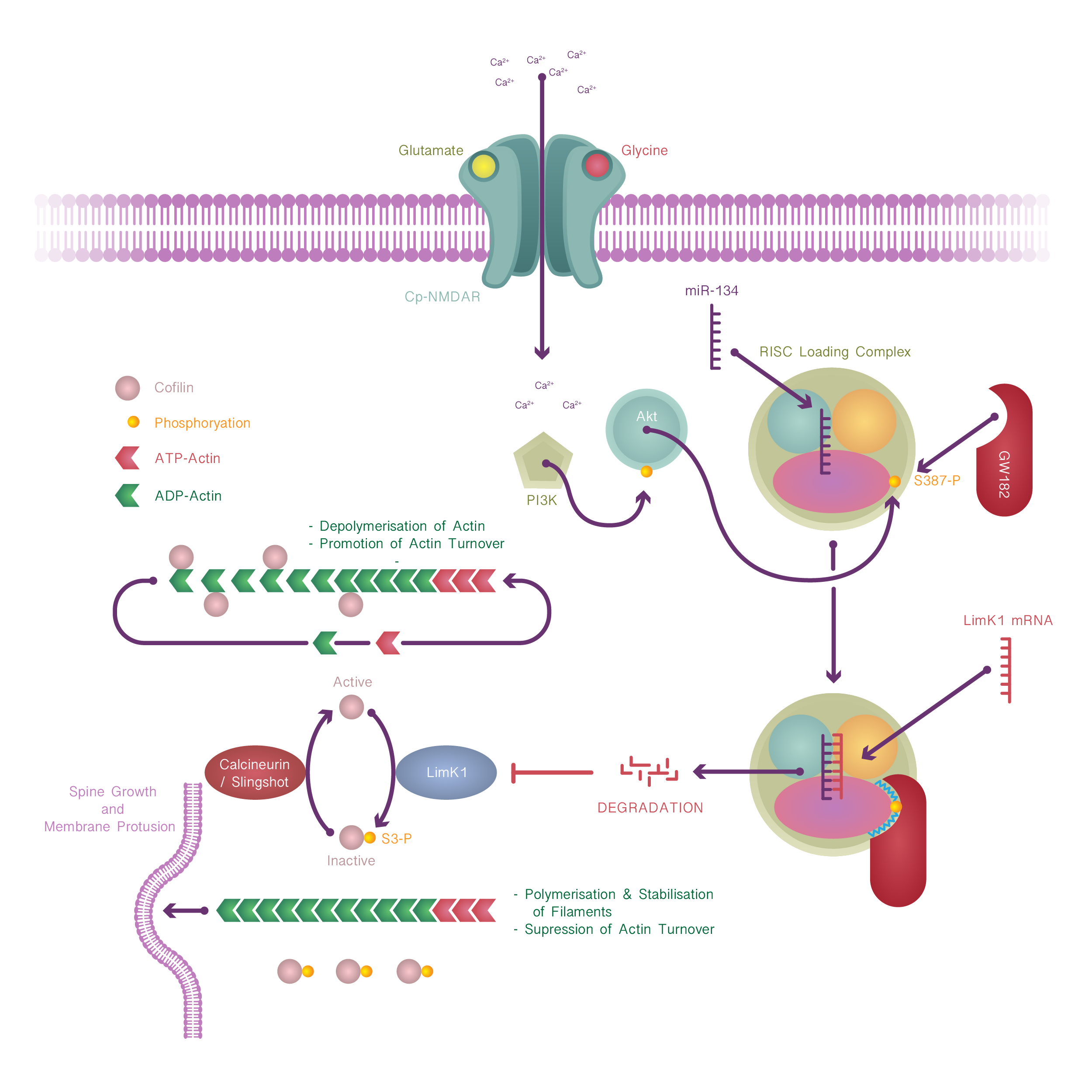
Effective medical communication often demands clarity over complexity. While 3D animation excels at demonstrating spatial relationships and dynamic processes, 2D illustration remains essential for journal publications, conference presentations, patient leaflets, and branded marketing materials.
Journals and Medical Papers.
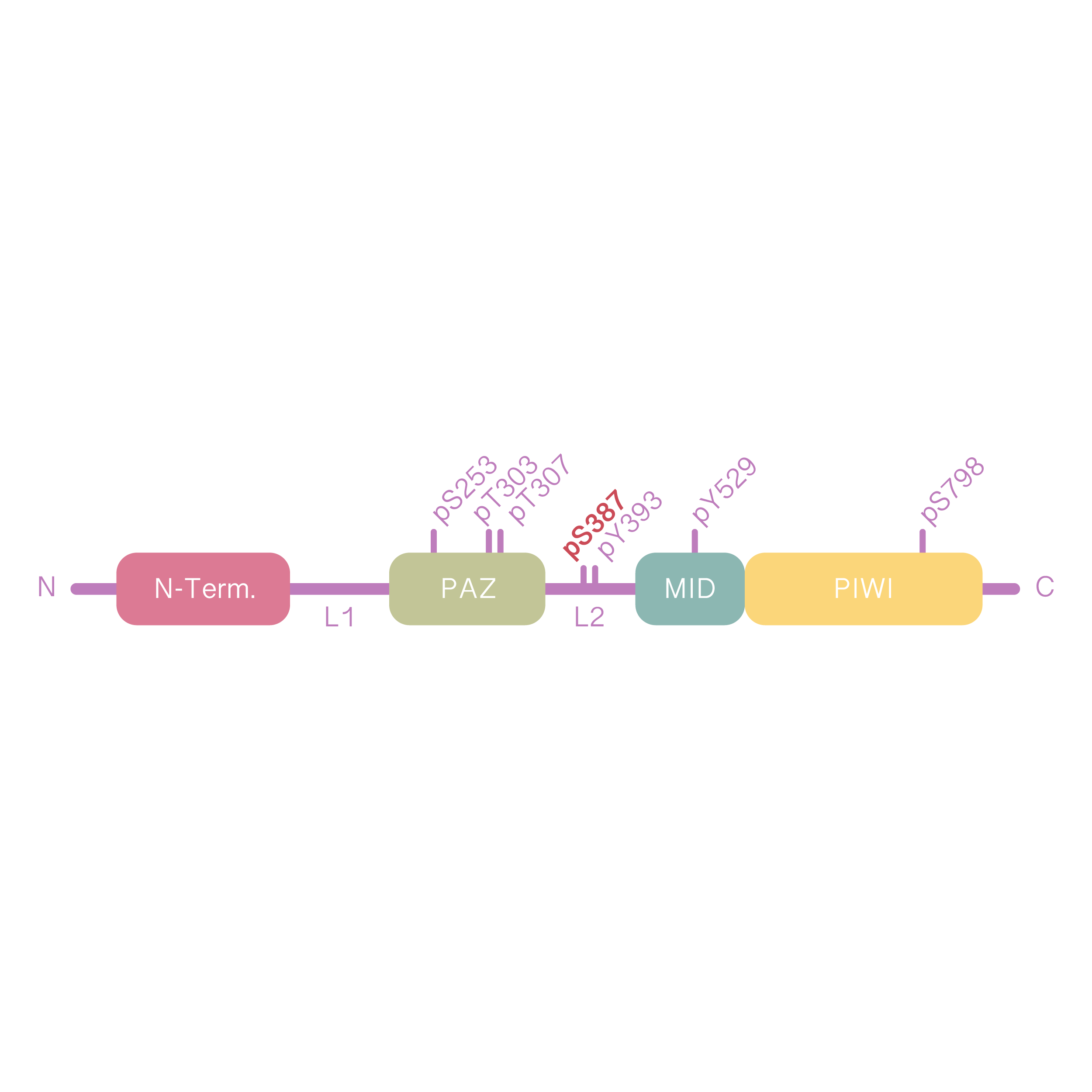
2D illustration remains the standard for academic publication, bridging complexity and clarity in formats that integrate seamlessly into both digital platforms and print.
Infographics and Data Visualisation.
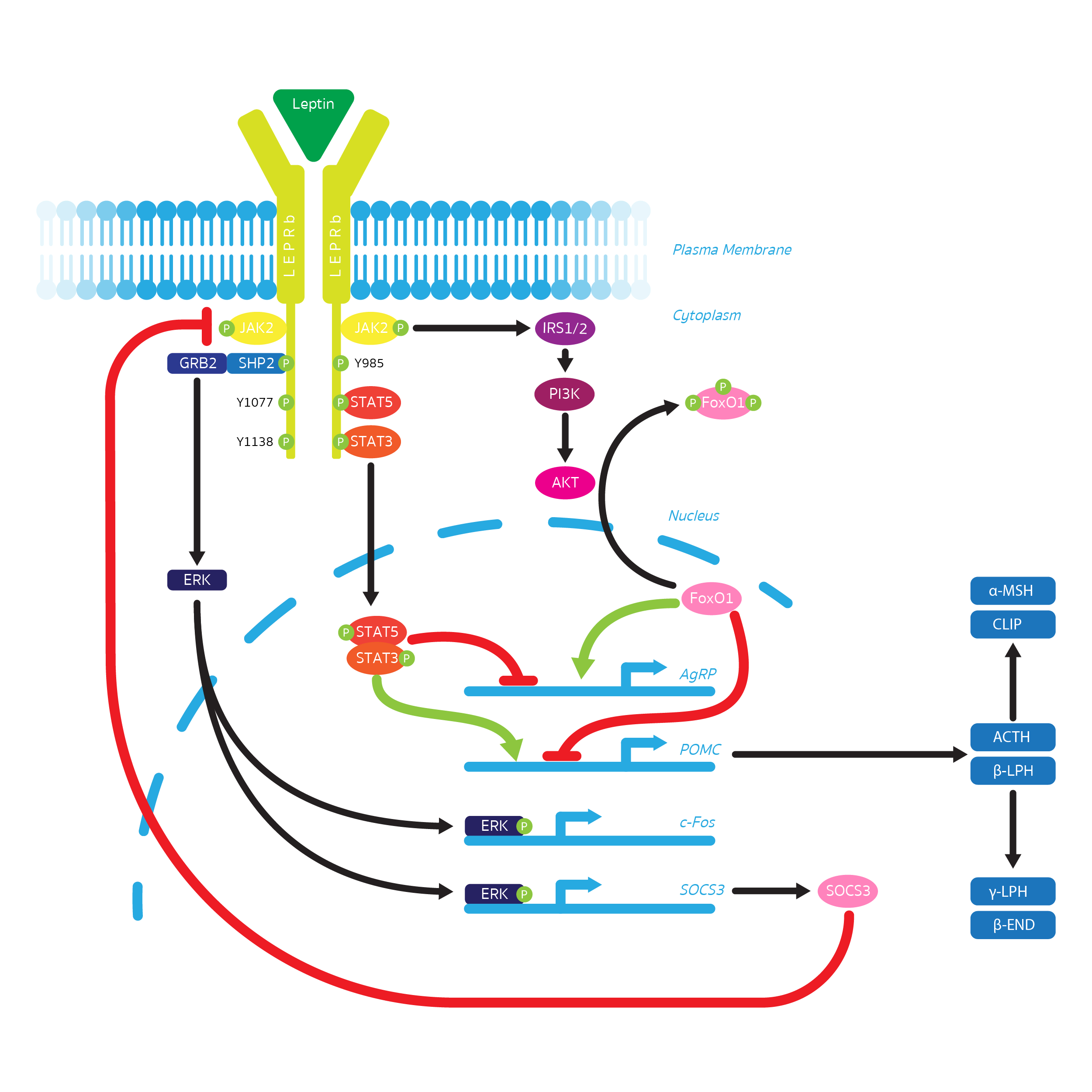
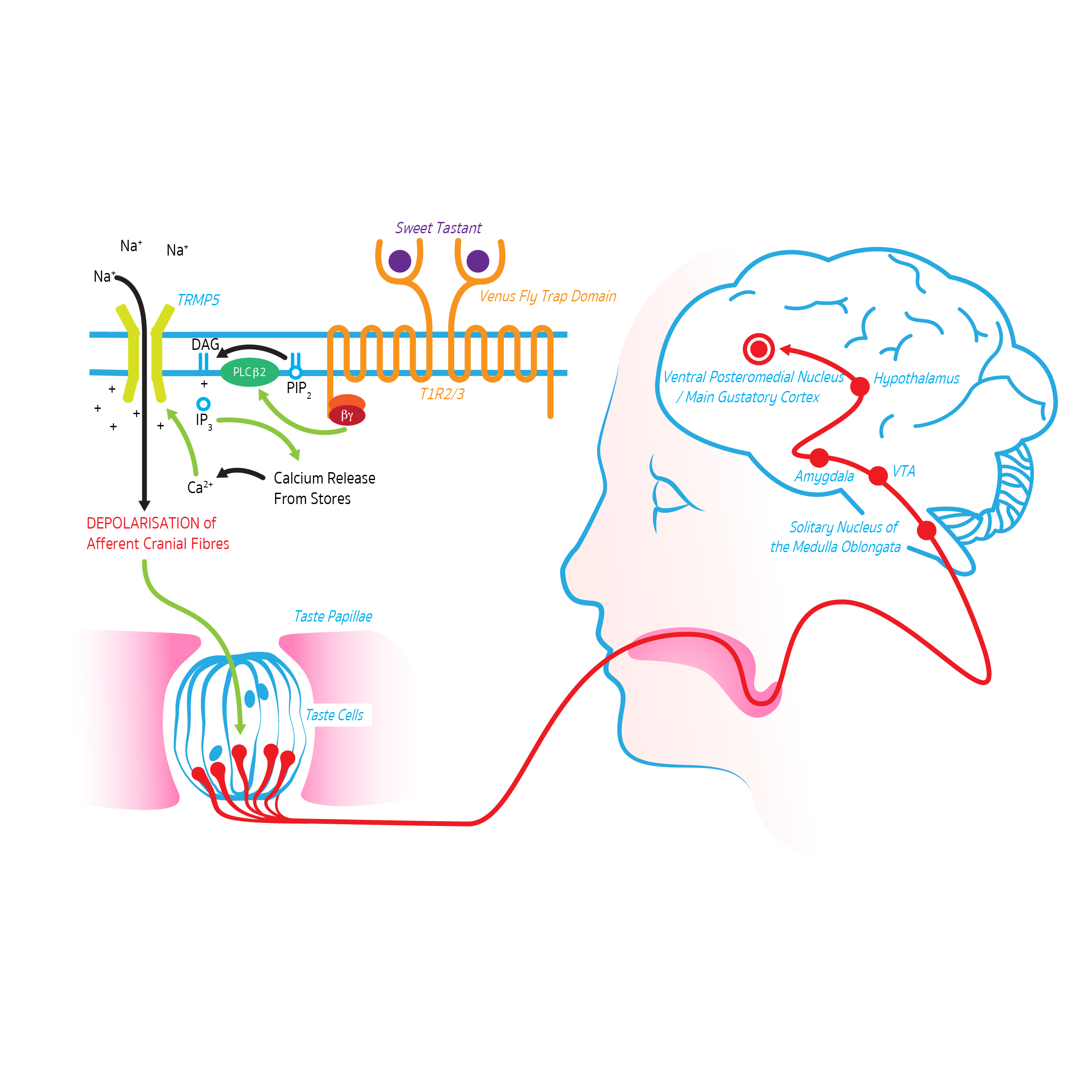
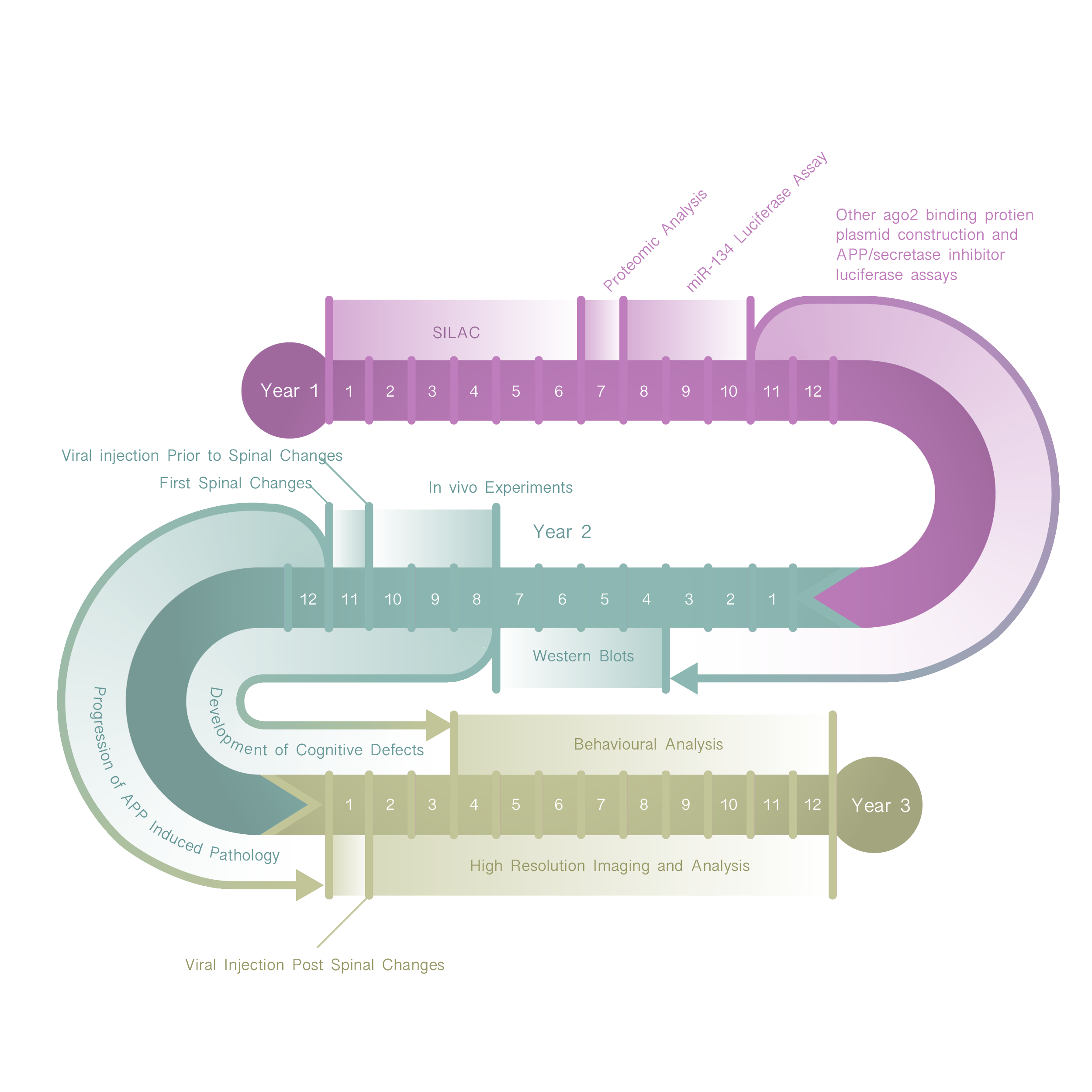
Condense clinical data, patient pathways, and mechanisms into cohesive visuals that physicians and non-specialist audiences understand.
Patient Education Materials.
Clear, reassuring diagrams and leaflets that simplify complex conditions, supporting informed consent and treatment adherence.
Conference and Presentation Graphics.
Cohesive slide, poster, and booth graphics that carry your message clearly across a crowded hall.
Icon Systems and Branded Assets.
Custom medical icon sets and visual systems that give your materials a consistent, professional identity across media channels.
Cohesive diagrams, icons, and infographics simplify complex medical information, making it accessible to diverse audiences including time-poor physicians, non-specialist healthcare professionals, and patients.
Consistent visual elements reinforce brand credibility in a field where accuracy and trust are paramount. Custom illustration ensures your materials stand apart from generic stock imagery.
Visually unified materials maintain attention and improve memory retention, particularly important for continuing medical education programmes and patient adherence materials.
Lorem ipsum dolor sit amet, consectetur adipiscing elit. Ut elit tellus, luctus nec ullamcorper mattis, pulvinar dapibus leo.